
What Miyako and Yaeyama Islands Can Learn from Amsterdam's "De-Overtourism" Strategy
Miyakojima, Ishigakijima. These islands, Japan's pride on the world stage, have grown into major tourist destinations welcoming over one million visitors a year.
Across tourist destinations worldwide, the increase in visitors often brings rising rents, traffic congestion, increased waste and noise, and the challenge of balancing tourism with the daily lives of residents and the natural environment. Amsterdam, one of the cities that faced overtourism head-on, responded by clearly establishing a policy of welcoming visitors while putting residents first — redesigning the very nature of tourism itself.
For the Miyako-Yaeyama region as well, how to prepare for these structural changes is becoming a critical theme as the area looks toward sustainable tourism development. At a sustainability training session held in the Miyako-Yaeyama region, in which our CEO Kuroi and Sustainability Solutions Group Leader Pickett recently served as instructors, this perspective formed the basis for discussions on how to design tourism in ways that continue to enhance its value.
This article distills the key points from that training, offering a look at how to "design" tourism so that the islands can maintain the success of their tourism industry while strengthening long-term sustainability.
Learning from Amsterdam: A Redesign That Starts with "Stay Away"
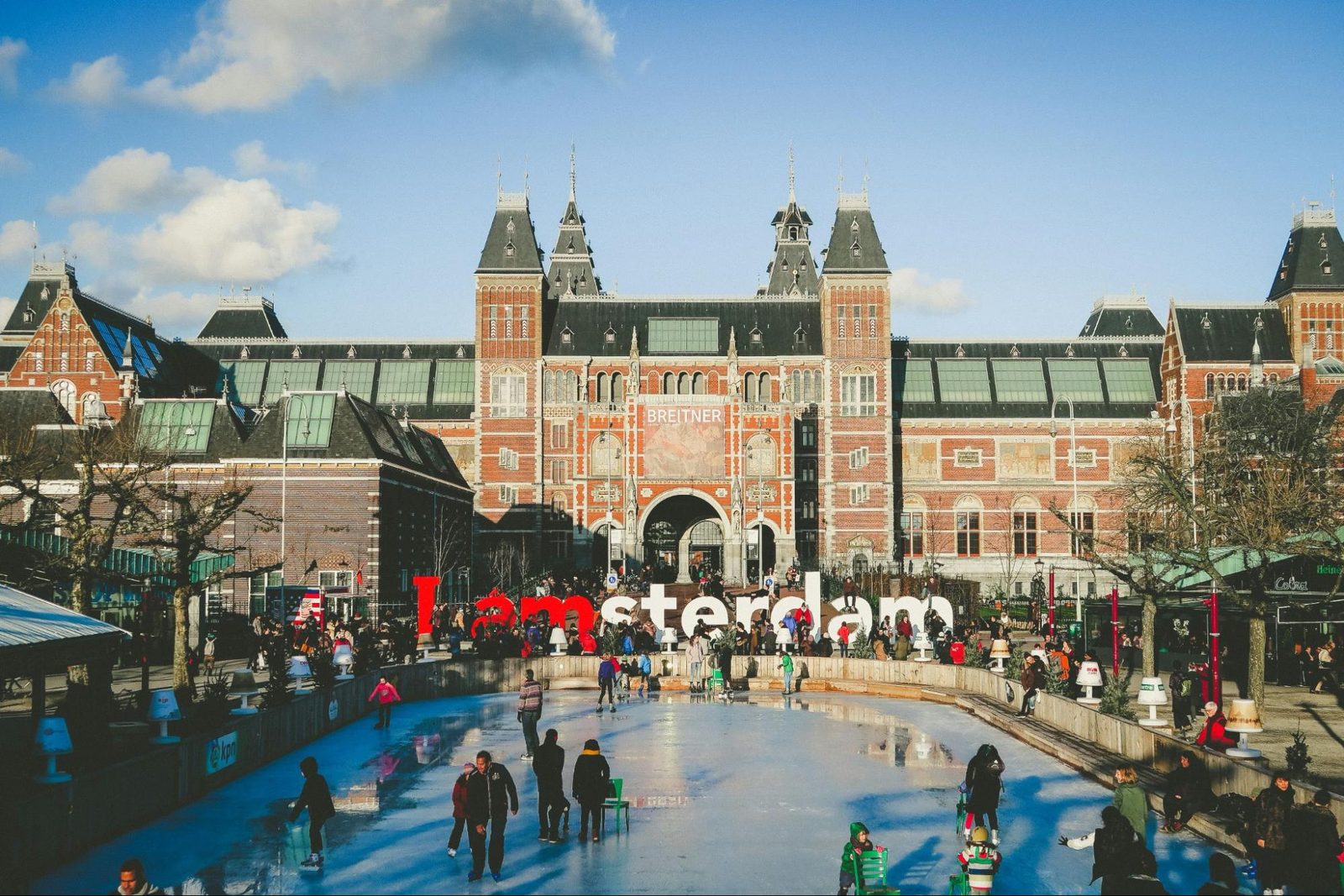
In the first half of the training, Kuroi introduced the case of Amsterdam in the Netherlands — a city that found itself at the extreme end of overtourism.
The policy Amsterdam announced in the spring of 2023 was, at first glance, shocking: a "Stay Away" campaign targeted at specific groups of visitors. This was by no means a rejection of tourism. Rather, under the clearly stated principle of welcoming visitors while prioritizing residents, the city set about "redesigning" tourism itself.
Amsterdam's Initiatives:
- Policies to Change Tourist Behavior: Rather than simply putting up posters, Amsterdam uses a combination of digital advertising and regulation to clearly define who it wants to welcome, shaping visitor behavior by design.
- Campaigns: Advertisements conveying the direct risks of disruptive behavior — fines, arrest, health hazards — are delivered in a targeted manner to specific audiences based on their search behavior.
- Area Regulations: Rules such as banning street smoking in certain areas and limiting the number and location of cruise ship calls have been introduced to structurally disperse congestion hotspots.
- Enforcement: High fines and monitoring systems for violations ensure the rules have real teeth, not just on paper.
- Redesigning Mobility: Through stricter speed limits and the development of a massive underwater bicycle parking facility accommodating around 10,000 bikes, the city controls the speed and flow of movement. Rather than simply optimizing for "efficiency," the city has been upgraded into a space where pedestrians feel safe and can enjoy simply being there.
- Managing Accommodation Capacity: The balance between tourist accommodation and residential living environments is structurally preserved. Restrictions on new hotel construction and a permit system for short-term rentals are strictly enforced, with the design prioritizing the protection of an environment where the workers who support the city can continue to live there.
"Residents First" — Four Design Perspectives for Rethinking Tourism in Miyako and Yaeyama
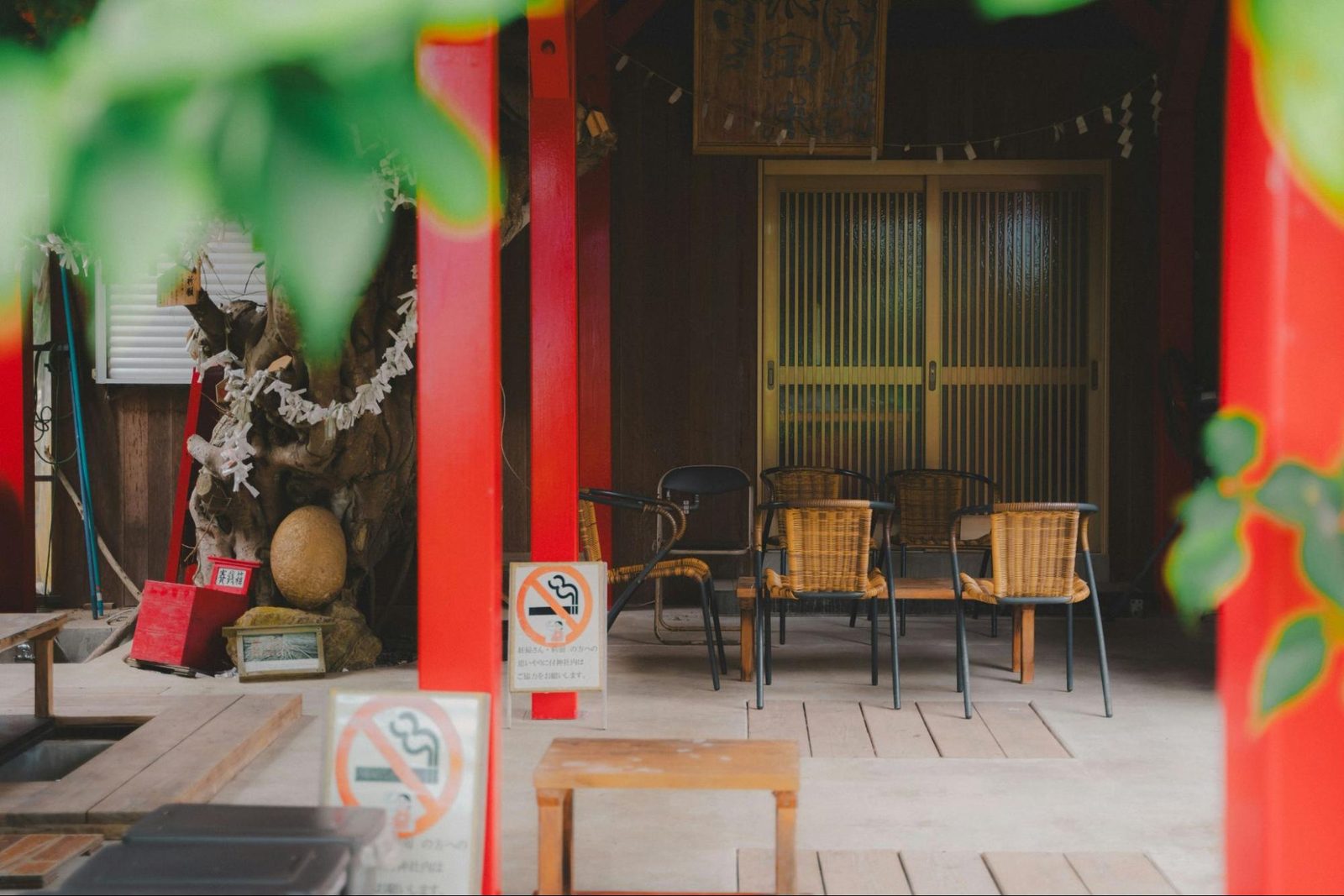
Amsterdam's approach is highly progressive, but it cannot simply be transplanted as-is onto Japan's islands. The training introduced four design principles tailored to the context of the Miyako-Yaeyama region.
- Define capacity first: Rather than leaving things to market forces, proactively define decision-making benchmarks — such as the maximum number of visitors that can be accommodated, peak accommodation periods, and the ratio of day-trippers to overnight guests.
- Prioritize residents' quality of life (QOL): If the people who live on the island cannot live comfortably, the island's value as a tourist destination cannot be sustained over the long term. Policy decisions should always be made through the lens of "residents first, visitors second."
- Change mobility, and tourism changes: Rather than pursuing speed of movement alone, designing mobility that allows people to walk slowly around the island — or that makes transfers natural and the stay itself more comfortable — gives you greater control over the quality of the tourist experience and the burden placed on residents.
- Define the type of visitor you want: Clearly define who you want to come and why, and shape your services and communications accordingly. If you continue responding to demand without this definition, you will fall into a structural pattern that undermines the island's sustainability.
Stopping the "Shadow of Success" Domino — It Takes Upfront Design
In the second half of the training, Pickett explained the "common failure path" that Japanese tourist destinations tend to fall into.
A tourism boom hits, infrastructure buckles, residents grow frustrated, and eventually the community loses the people who made it run — this negative chain reaction, experienced by many tourist destinations including Kyoto, does not happen because tourism itself is bad.
In fact, the more tourism succeeds and the more visitors increase, the more naturally the following "distortion domino" begins to fall:
- Housing pressure: Rising tourism demand leads to housing being converted for tourist use, driving up rents for residents.
- Restricted mobility: Road congestion disrupts the everyday routines of residents — commuting, school runs, the ordinary rhythms of daily life.
- Mismatch between environmental costs and economic returns: Waste and noise increase, while the phenomenon of "many visitors but little revenue for the community" takes hold — with short stays and low spending.
As these changes accumulate, residents' quality of life (QOL) gradually deteriorates, and the key people who have supported the island begin to leave.
As a result, the quality of tourism declines too, and the destination ultimately becomes "a place that can no longer generate income."
This is the "failure story" that popular destinations around the world have lived through.
The key to stopping this negative domino effect is the mindset of "getting the design operational before the growth comes." Sustainability is, at its core, exactly this kind of "advance design for the future" — the practice of anticipating these distortions and embedding countermeasures before they take hold.

The Five Elements of "Sustainability Implementation" as Proposed by Neuromagic
So, where exactly do you start? The training presented five pillars for implementation:
- Materiality (Priority Issues): Rather than trying to do everything at once, identify the top five things that would cause the most damage if they broke down.
- Roadmap: A "short-term" phase to visualize the current situation with data, a "medium-term" phase to build the systems and structures, and a "long-term" phase to realize the ideal vision of the tourist experience.
- Governance: To prevent disputes, clearly define who decides what, based on what criteria, and when.
- Data management: Accumulate numbers as a weapon for the future, rather than relying on emotion.
- Integrated management: Rather than treating tourism, mobility, and residents' lives as separate issues, see them as a single interconnected cycle.
Of particular importance are "materiality" and the "roadmap." Without clarity here, no amount of enthusiasm will translate into concrete action.
A Compass to Keep You from Getting Lost: "JSTS-D"
Furthermore, for community members beginning the design process, a powerful aid is the Japan Sustainable Tourism Standard for Destinations (JSTS-D). The training presented three steps for making the most of this guideline as a "tool to keep you from getting lost."
- Check: Review which items are already being addressed, and rediscover the community's existing strengths.
- Sort: Classify items not yet addressed into "things to do right now" and "things to decide in the future."
- Supplement: Use it as material to help identify your top-priority issues (materiality).
There is no need to do everything perfectly. Selectively choosing only the elements relevant to your island's unique situation is the shortcut to a design that actually works.

Designing the Island's Future Together, Through the Power of Design
Tourism is the vital "light" that sustains local economies. To keep that light burning, while simultaneously protecting the islands' nature, culture, and residents' way of life — that requires design, now, at this very moment.
Neuromagic combines years of cultivated expertise in experience design with a global perspective on sustainability to walk alongside communities throughout this process. If you're wondering "where do we even start?" or "we want to move our current plans forward in a more concrete way" — let's work together to design the vision for 10 or 20 years from now.
Inquiries about Neuromagic's sustainability training and consulting services: [Contact us here]
【Seminar Presenters】

Motoharu Kuroi
President & CEO
Graduated from the College of Liberal Arts at International Christian University (ICU). Completed a Master's degree (MBA) at the Graduate School of Business Administration at BBT University. Spent seven years in event production, working in planning, producing, and directing, and in the early 1990s participated in pioneering projects incorporating multimedia. Founded Neuromagic in 1994 and has served in his current role since. From the early days of commercial internet use, he has led diverse digital projects, providing cross-disciplinary support spanning UX design, digital strategy, and sustainability. He is a graduate of Harvard Business School Online's "Sustainable Business Strategy" program.

Natsumi Pickett
Sustainability Solutions Group Team Leader
Graduated with a major in International Trade from a state university in the United States. During her studies, she was involved in international cooperation activities in Africa, where she developed practical communication skills in multicultural environments. After graduation, she gained project management experience working alongside international teams in the United States. Currently at Neuromagic, she oversees all aspects of sustainability promotion, including materiality assessment, implementation roadmap design, responses to external evaluations, and training program planning. She also coordinates projects in English with overseas offices, and as a certified GRI training graduate, supports policy planning and execution based on international standards.
【Writer】

Aya Eguchi
Born in Niigata Prefecture. After graduating from a fine arts department, she joined an automotive manufacturer. She subsequently gained experience as a counselor and manager at a beauty company. Following a career change prompted by the birth of her child, she has been with Neuromagic Co., Ltd. since 2020, handling executive assistant duties, public relations, and overseeing the marketing unit. In 2023, she was appointed as a Nikkei Woman Ambassador.

More in this category
Is “Replace It When It Breaks” Outdated? Europe’s Right to Repair Movement and the Choice to Make Things Last
Global Sustainable Initiatives
Tracing the Rising Cost of Chocolate Reveals the Bigger Picture of Sustainability
Global Sustainable Initiatives
From Mushroom Coffins to Fish Habitats: How Funeral and Burial Practices Are Changing Around the World
Global Sustainable Initiatives