
Only 0.01% of earth's water is readily usable. The water shortage is closer than you think — and what we can do about it?
Turning on a tap and having clean, safe water flow instantly is something many of us take for granted. Yet it is far from a universal reality.
Living in Japan, it can be easy to feel removed from the issue of water shortage. Around the world, however, approximately 2.1 billion people lack access to safely managed drinking water, and of those, around 106 million have no choice but to use untreated water from rivers and lakes in their daily lives (Source: unicef).
Closer to home, climate change is already affecting Japan's water supply. In early 2026, the Ogouchi Reservoir, one of Tokyo's key water sources, saw its storage level drop to below 60% of its seasonal average, following record-low rainfall.
This article examines the current state of the global water shortage, its underlying causes, initiatives being taken around the world, and practical steps each of us can take starting today.
The Global Water Shortage: Current Situation and Causes
Whilst approximately 70% of the Earth's surface is covered by water, freshwater found in rivers and lakes, the kind we can actually use in daily life, accounts for just 0.01% of the total. Despite this, the average person in Japan uses around 282 litres of water per day at home, a figure that remains high by international standards (Source: Ministry of Land, Infrastructure, Transport and Tourism).
There are four principal reasons why securing a stable supply of this precious resource is becoming increasingly difficult.
- Population growth
The global population continues to rise, and is projected to reach 9.7 billion by 2050 (Source: World Population Prospects 2024). As the population grows, so too does water consumption.
- Changes in lifestyle and land use
Domestic wastewater, industrial effluent, and agricultural chemicals are often discharged into rivers and the sea without adequate treatment, reducing the amount of water that is safe to use.
- Climate change
Global warming is driving an increase in extreme weather events. Some regions are experiencing prolonged and severe droughts, whilst others face intense bursts of rainfall so heavy that water runs off into the sea before it can be absorbed into the soil.
- Urbanisation and the degradation of natural water sources
Deforestation and the loss of wetlands associated with urban development are diminishing nature's capacity to absorb and retain rainfall.
How Countries Around the World Are Responding
Nations across the globe are developing approaches suited to their own circumstances in order to protect finite water resources.
Singapore: An Integrated Water Management System
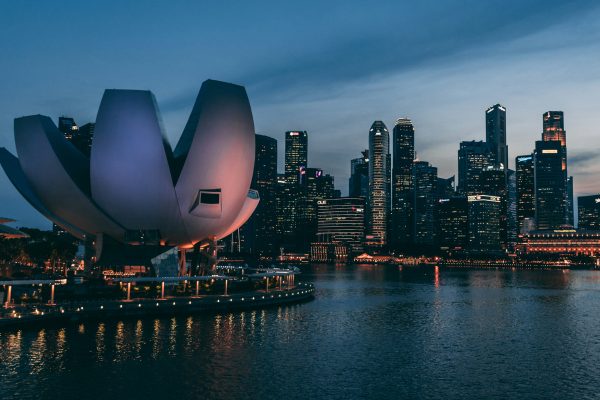
Singapore's small land area offers limited capacity to collect and store rainwater. To improve self-sufficiency, the country has developed a system built around four water sources working in tandem.
Alongside rainwater harvesting and imported water, Singapore operates NEWater, a scheme that purifies treated wastewater to drinking-water standard using advanced technology, as well as desalination plants. This diversified approach has established Singapore as a globally recognised model for integrated water management (Source: Singapore's National Water Agency).
United Kingdom: A Comprehensive Long-Term Response to Climate Change
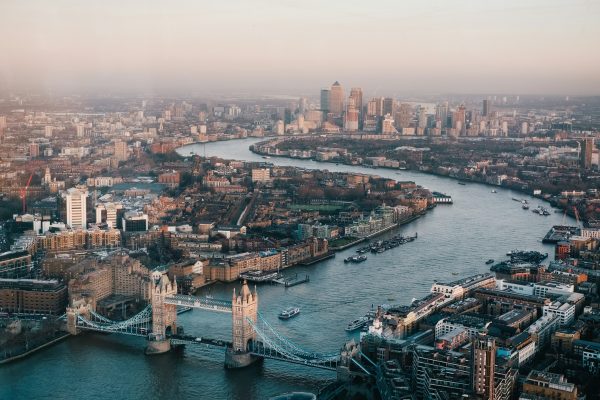
The UK's water sector faces mounting pressure from climate change. Thames Water, the country's largest water utility, has projected that without intervention, climate change could result in a water shortage of over one billion litres per day by 2050, compounded by continued population growth.
In response, the company is implementing a long-term strategy looking more than 50 years ahead. It has already installed over one million smart meters to help detect leaks at an early stage, with the aim of rolling these out across its entire service area by 2035. Plans are also under way for the construction of a major new reservoir to provide resilience against future droughts (Source: Thames Water).
What Each of Us Can Do Today
Addressing water shortage is not solely the responsibility of governments and businesses. Small adjustments to our daily habits can meaningfully contribute to protecting this limited resource.
- Turn off the tap when it's not needed
Avoid leaving the water running while bathing or washing up. Reusing bathwater for laundry or cleaning is another straightforward way to reduce consumption.
- Run full loads of laundry
Rather than running the washing machine multiple times with small loads, wait until you have a full load. This saves both water and energy.
- Reduce pollutants in wastewater
Water pollution from household waste limits the amount of water that is safe to use. Be mindful not to use excessive amounts of shampoo or detergent, and wipe away cooking oil and grease from dishes and pans with paper or cloth before washing them, rather than rinsing them directly down the drain.
- Reduce your environmental footprint
Taking action to address climate change, one of the root causes of water shortage, is equally important. Simple steps such as using a reusable bag and water bottle, or choosing public transport where possible, all make a difference.
It is also worth noting that vast quantities of water are consumed in the production of the food we eat and the clothes we wear. The concept used to measure the total volume of water used across a product's entire lifecycle, from production through to consumption and disposal, is known as the water footprint.
Japan's food self-sufficiency rate stands at just 38% (Source: Ministry of Agriculture, Forestry and Fisheries), one of the lowest amongst developed nations. This means that a significant portion of Japan's water consumption is effectively taking place overseas. Viewed through this lens, the following actions also become meaningful contributions to protecting global water resources.
- Reduce food waste
Throwing away food is, in effect, discarding all the water that went into producing it. Buying only what you need and eating what you buy is one of the most impactful things you can do.
- Choose locally produced goods where possible
Imported products require not only water to produce, but also considerable energy to transport. Opting for locally sourced items indirectly helps to conserve water resources.
- Take care of the clothes you already own
Producing textiles, from growing cotton to dyeing fabric, consumes enormous amounts of water. Reconsidering how frequently you buy new clothes, looking after what you already have, and making use of recycling schemes can all help reduce the impact.
In Closing
When it comes to the global water shortage problem, no individual's actions are insignificant. Investment in infrastructure and technological innovation is, of course, essential, but so is each person's willingness to understand the scale of the problem and reflect on their own everyday choices. Together, these small decisions add up to something far greater.
Towards a future where safe water is genuinely accessible to everyone, everywhere, why not start with the small choices you make each day?
More in this category
Is “Replace It When It Breaks” Outdated? Europe’s Right to Repair Movement and the Choice to Make Things Last
Global Sustainable Initiatives
Tracing the Rising Cost of Chocolate Reveals the Bigger Picture of Sustainability
Global Sustainable Initiatives
From Mushroom Coffins to Fish Habitats: How Funeral and Burial Practices Are Changing Around the World
Global Sustainable Initiatives